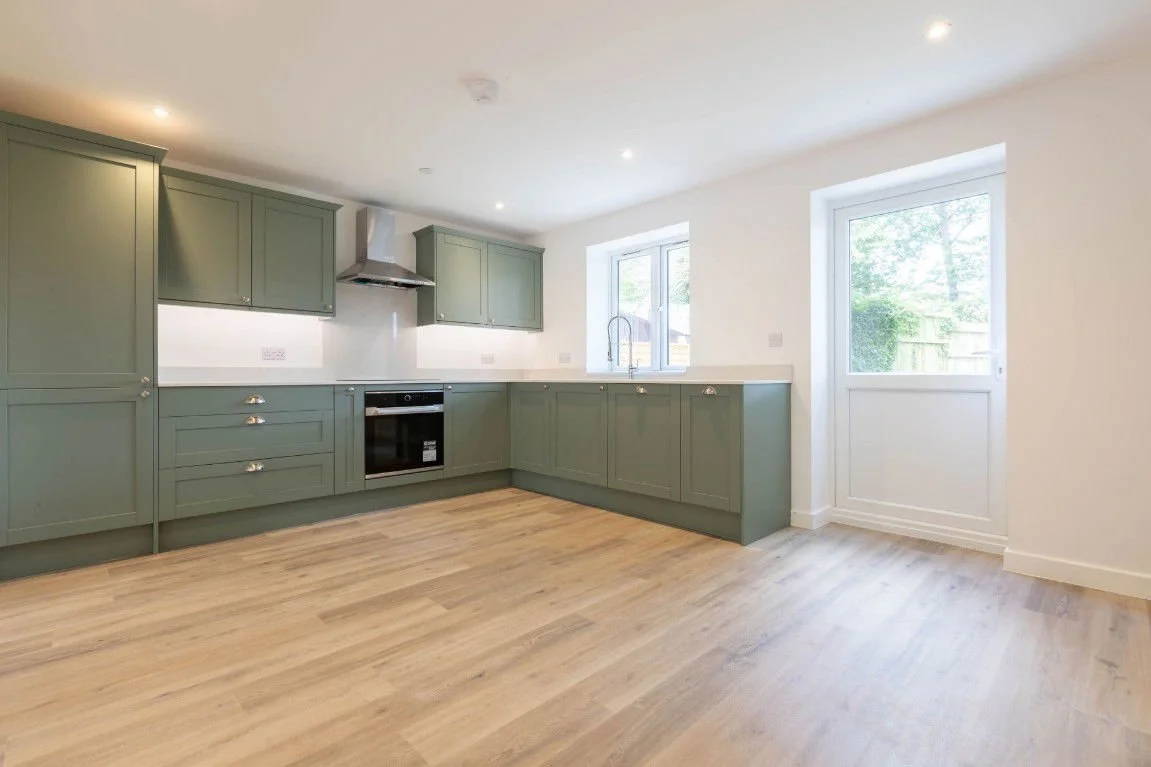
Renters Reform
Over the past few months, the conversation around the UK rental market has been dominated by the introduction of the new Renters Reform Bill. Predictably, opinions have been divided.
Am I worried?
Honestly, not particularly. Like many landlords and developers, I can understand the intention behind parts of the legislation. There have absolutely been rogue operators within the sector for years, poor standards, poor communication and poor treatment of tenants have damaged trust across the industry.
What I don’t particularly agree with, however, is the tendency for legislation to treat every landlord as though they operate at the lowest common denominator. The reality is that the overwhelming majority of private landlords are simply trying to provide decent homes, maintain their properties properly and run sustainable businesses. Most are not the villains social media sometimes likes to portray.
The bigger concern, in my view, is that increasing regulation inevitably increases costs, risk and operational friction — and ultimately those costs tend to feed directly back into rental pricing.
That’s not ideology. It’s just economics.
This week has been another reminder that strong rental stock in good locations still performs exceptionally well. A few days ago, we relaunched one of our completed new-build homes onto the rental market. The property itself is only around 18 months old and sits within one of our recent developments in Bordon.
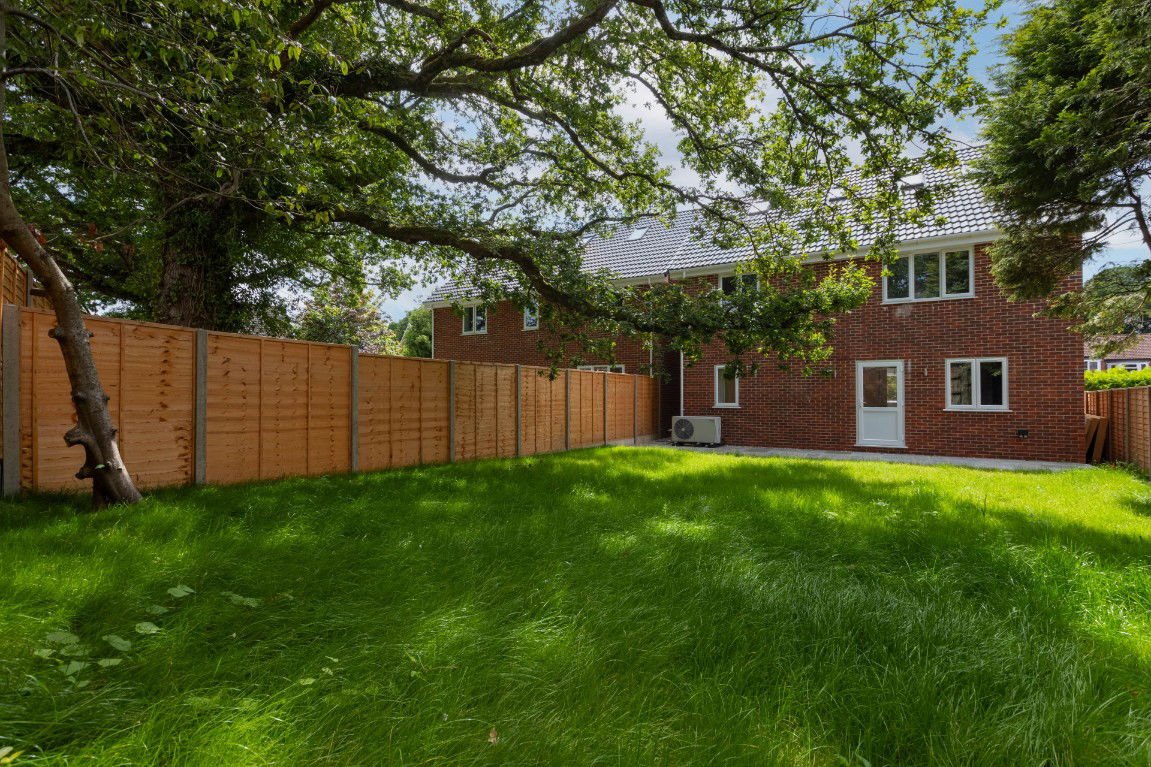
Within 24 hours, we had already secured two viewings.
That tells its own story about the state of the current market.
Demand for well-finished, energy-efficient homes remains incredibly strong across much of the South East — particularly for tenants looking for something professionally managed and ready to move straight into.
Before transitioning into larger-scale development projects, I spent much of my twenties building and managing a smaller rental portfolio around Petersfield and the surrounding Hampshire area. That experience was probably one of the most valuable foundations possible for moving into development later on.
Because when you manage rentals yourself, you quickly learn what actually matters in a home long-term:
layouts that genuinely work,
durability over gimmicks,
sensible operating costs,
good parking,
storage,
natural light,
strong EPC performance,
and locations where people genuinely want to live.
You also learn very quickly that good tenants are worth their weight in gold. That perspective still shapes how we approach developments today. We don’t just think about how a property photographs on launch day — we think about how it functions five years later when somebody is actually living there day-to-day.
And despite the noise surrounding the sector at the moment, I remain quietly optimistic about the long-term outlook for quality rental housing in the UK.
More regulation will inevitably push some smaller landlords out of the market altogether. But for operators who are well-capitalised, professional and focused on quality housing, there are still significant opportunities ahead.